Kia ora and welcome. This is my second unpack of the draft Science curriculum (The first is HERE). I will repeat that I am writing this mostly to get my own thoughts in order, but as I got a lot of messages and interesting discussion from the first post, I guess it is also to generate discussion – talking through ideas helps me come to my own understandings. I am happy to correct any mistakes and acknowledge there are going to be lots of different opinions – diversity is good and I hope we get a stronger final outcome for the diverse discussions.
So, last unpack I focussed more on the knowledge ‘strand’ – this curriculum doc is being hailed as knowledge rich after all. AND the document has ‘teaching sequences’ with the knowledge strand (the facts, concepts, principals and theories to teach) , as well as the practices strand (the skills, strategies and applications to teach) This blog I’m focusing on the practices and capabilities. I make no secret or apology for being an avid ‘fan’ of the key competencies and the ‘front end’ of the 2007 NZC document, and so was hopefully with ‘whispers and rumours’ that the key competencies would be retained and ‘woven through’ the knowledge strands. The introduction for Science has this in the final paragraph, which is also promising.

So, I went hunting for the key competencies in Te Mātaiaho, (incidentally, the website says this is draft, but there is no feedback form for it….) and found some capabilities
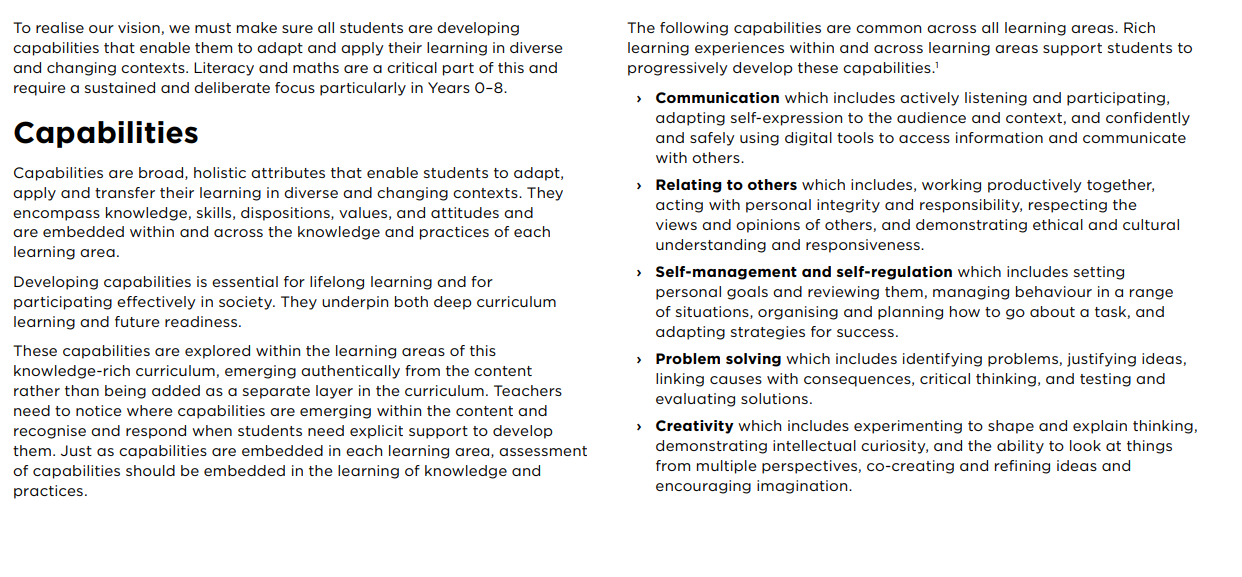
Which an unpack of these might form yet another blog post. The key competencies from NZC 2007 (using language, symbols and texts; thinking; managing self; relating to others; participating and contributing) are similar but different enough…… I could also spend some time talking about the difference between a competent human and a capable human…. but staying vaguely on tasks….
The intro and the Te Mātaiaho document says we are developing capabilities – lets go look for them
And they are not there….
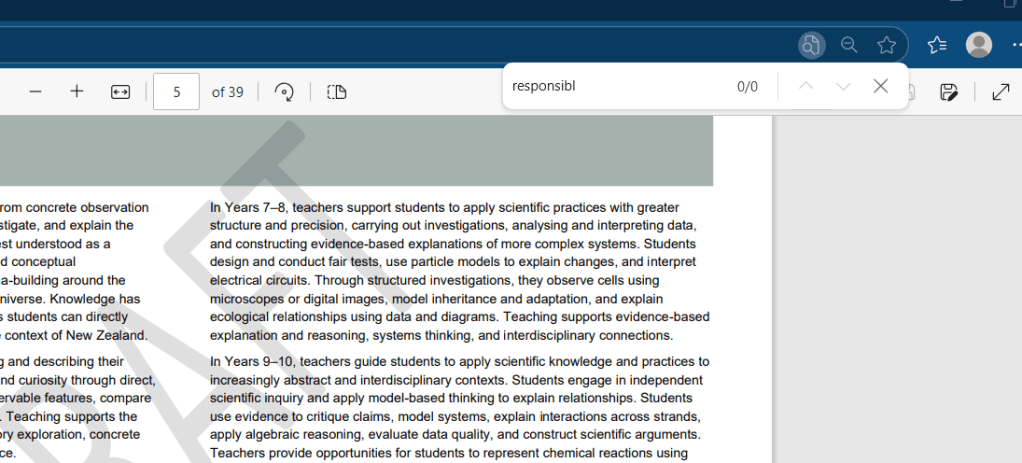

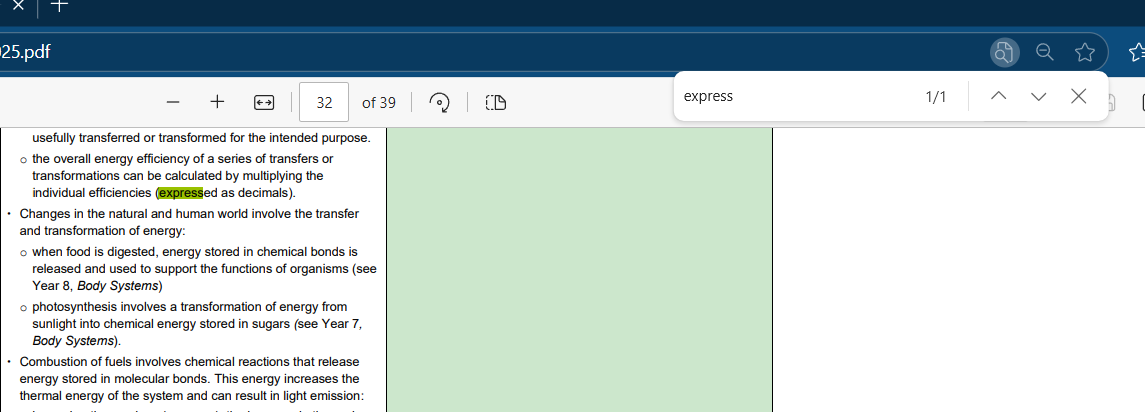
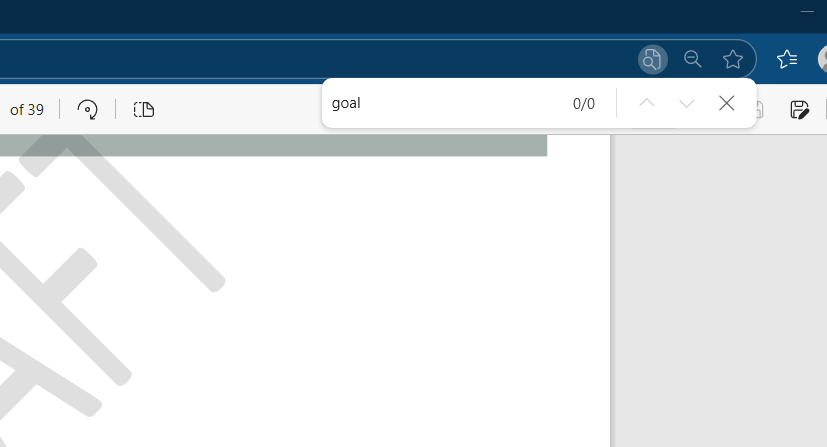
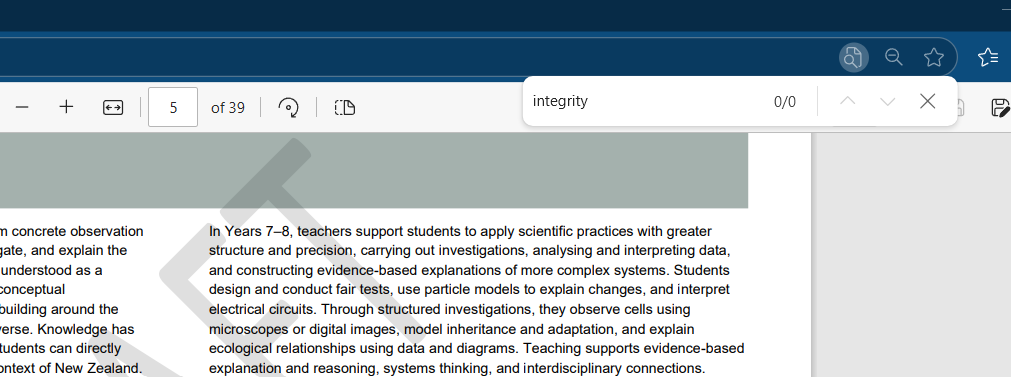
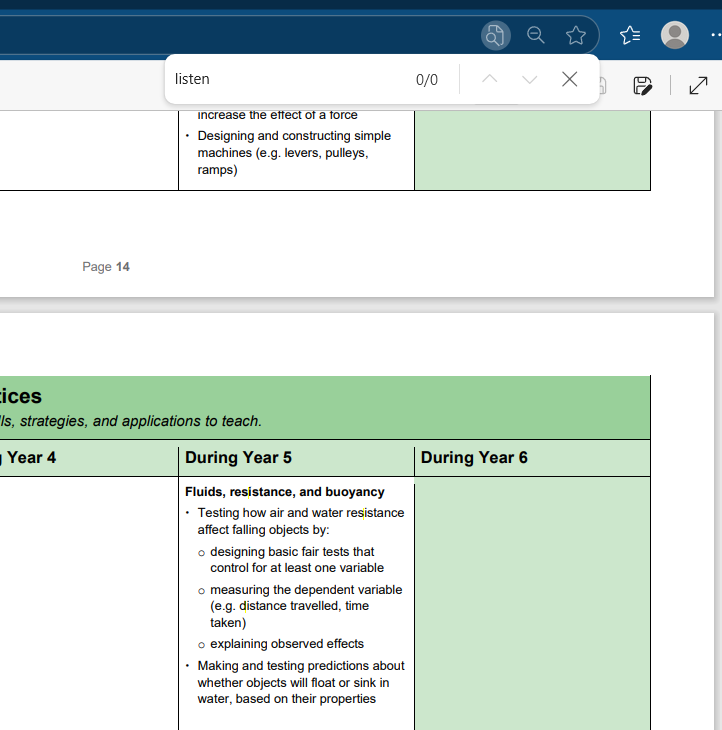
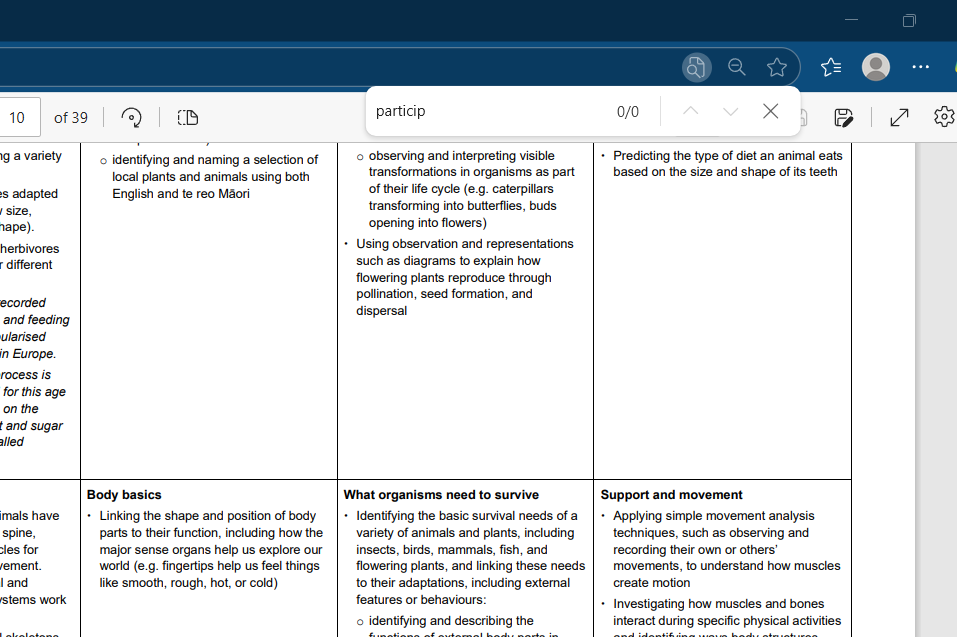
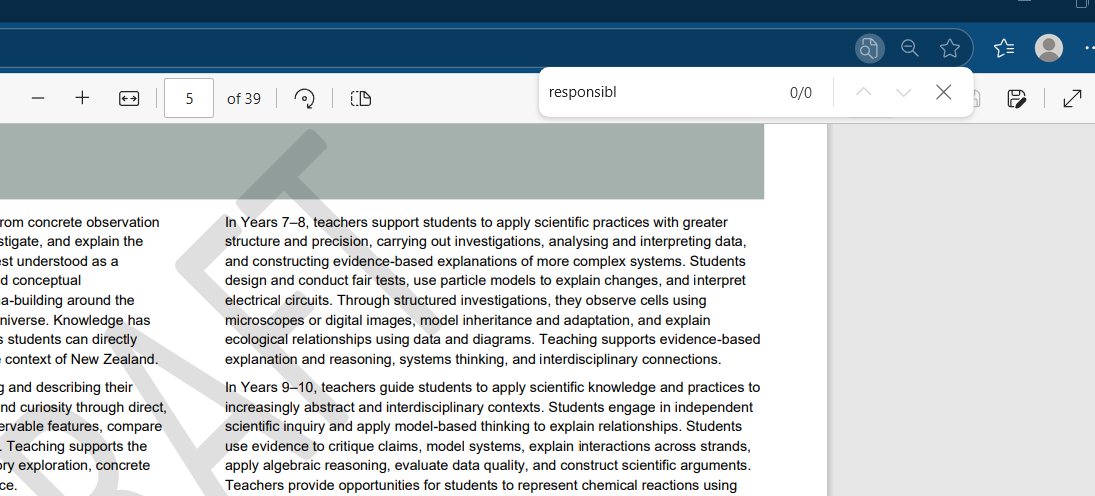
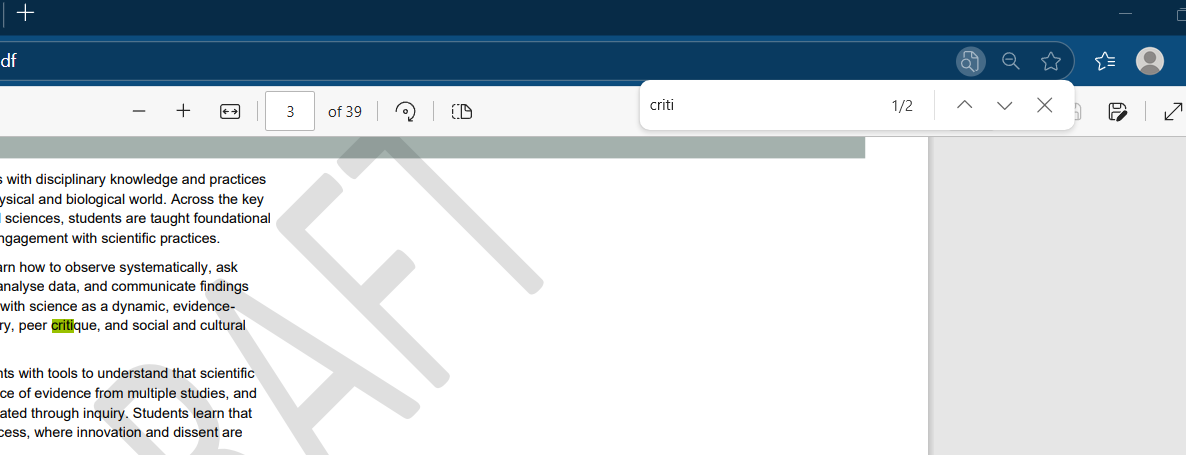
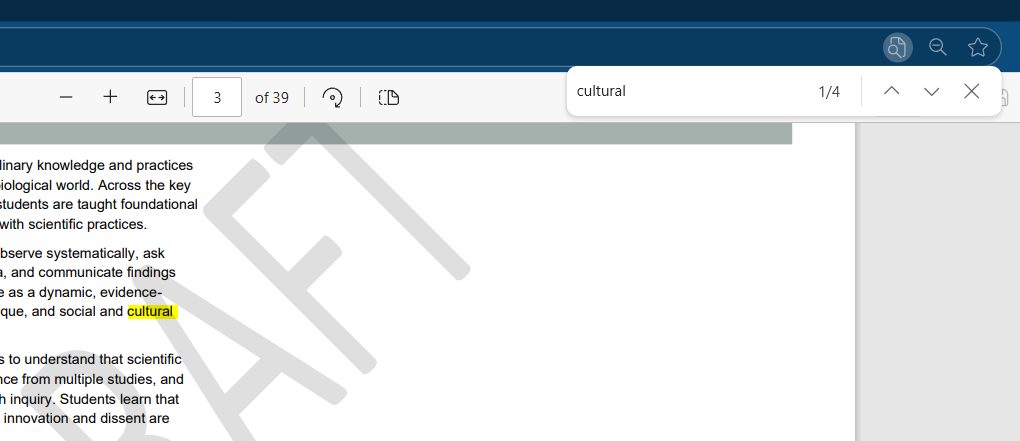
So, I’m not sure how teachers are meant to support teachers to develop these capabilities if they are not stated in the ‘this is what you need to teach’. No solving problems. (solv is only in dissolving/dissolve). No creativity – mentioned once in the purpose statement.
So, maybe I should look for the practices. The introduction has many verbs, as I talked about last week – I did a word cloud for fun. I copied the middle 4 paragraphs of the intro, removed teachers and students and ‘to’ and this was the top 40 words
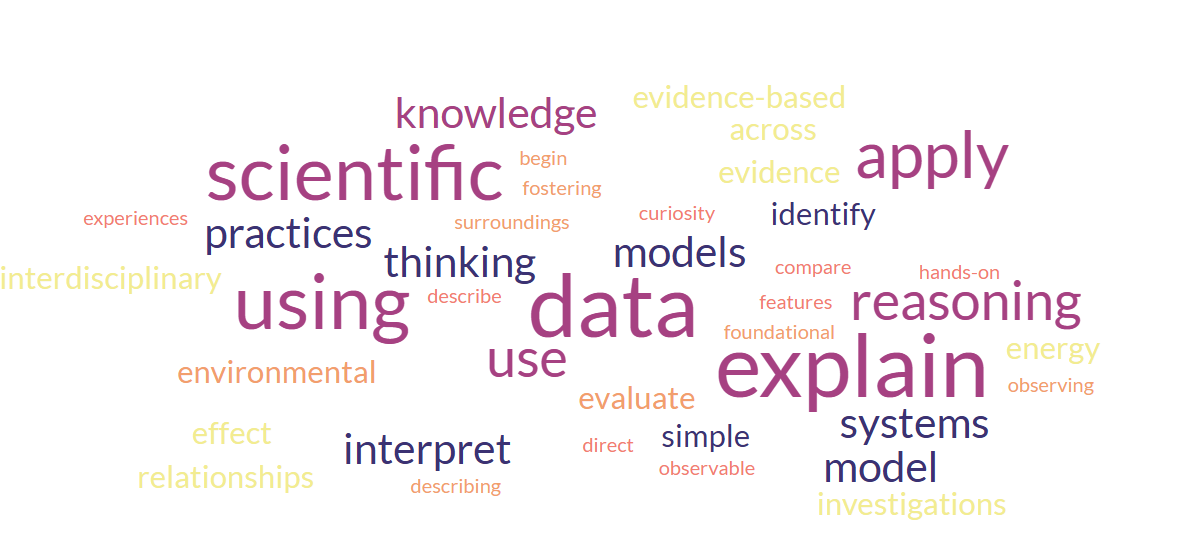
And I had more success – but even then… for example, data comes up 24 times in the doc, but 8 are into the intro and purpose statement. 4 are in the practices for yr 0-6 – so for 6 years there is only 4 mentions of data. Then not at all in yr 7-8. Which leaves 10 mentions in yr 9-10. Now, I do understand this is a blunt tool, but the introduction explicitly states yr 7-8 will be analysing and interpreting data, but then it isn’t in the ‘skills, strategies and applications to teach’ for phase 3/yr 7&8

Thinking was a key competency, but hasn’t made it to the capaibilities. It is mentioned once in the purpose statement, and 3 times in the intro, and then ZERO times in the teaching sequence. Reason comes up 7 times (5 times in the introduction)
So, my initial thoughts that the introduction doesn’t match the rest of the document is looking more and more founded. But lets take another angle. The feedback sheet asks about

So, lets check a teaching sequence for some practices (AND in doing so, I noticed that the ‘elements’ change – materials from 0-8 becomes matter at 9-10. Matter, interactions and energy becomes chemical reactions…. why??
Anyways, starting with 4-6 earth and space (which really seems to be more space)
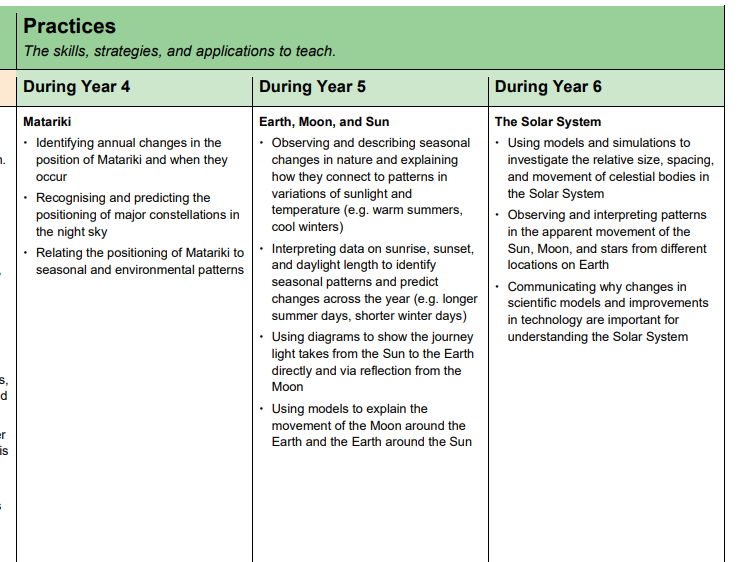
We have identifying, recognising and relating in yr 4. Predicting the positioning is quite a challenge for yr 4 I thought, but maybe I underestimate them…. Then yr 5 is observing and describing and explaining (This feels very much like some doing verbs in front of facts rather than actually how we work these things out), interpreting data (yay, data) to identify patterns (quite like this so far). Then using diagrams to show the journey of light from the Sun to the Earth…. is that just drawing an arrow? At yr 6 – using models – so, is this the teacher teaching this (says me who get a kid to hold a torch, and then gets some kids moving balls about the room to be planets… and I have an excellent lego scale model with working gears….) or……???? Then we have some investigating using models. I like this one, have a play and try and get your heads around the vastness of the distances. But then we have observing and interpreting patterns in the ‘apparent’ movement of the Sun, Moon and stars from different locations on Earth – well sign me up for that field trip!! Because how can we do this? Just with pictures? Given the number of times I’ve seen northern hemisphere phases of the moon passed of as what we see in Aotearoa NZ, I’m not so confident on this one.
But, looking within an ‘element/substrand/topic’ isn’t really showing me if the practices are progressing or being covered….. – and perhaps rightly so. You want a range of practices across different areas I guess. So change tack… I pasted all the yr 9 practices into the one doc (NB no practices for matter, interactions and energy, or Earth and Space, at yr 9 because they are not covered… so again how can we build proficiency across a phase if things are only covered once??)
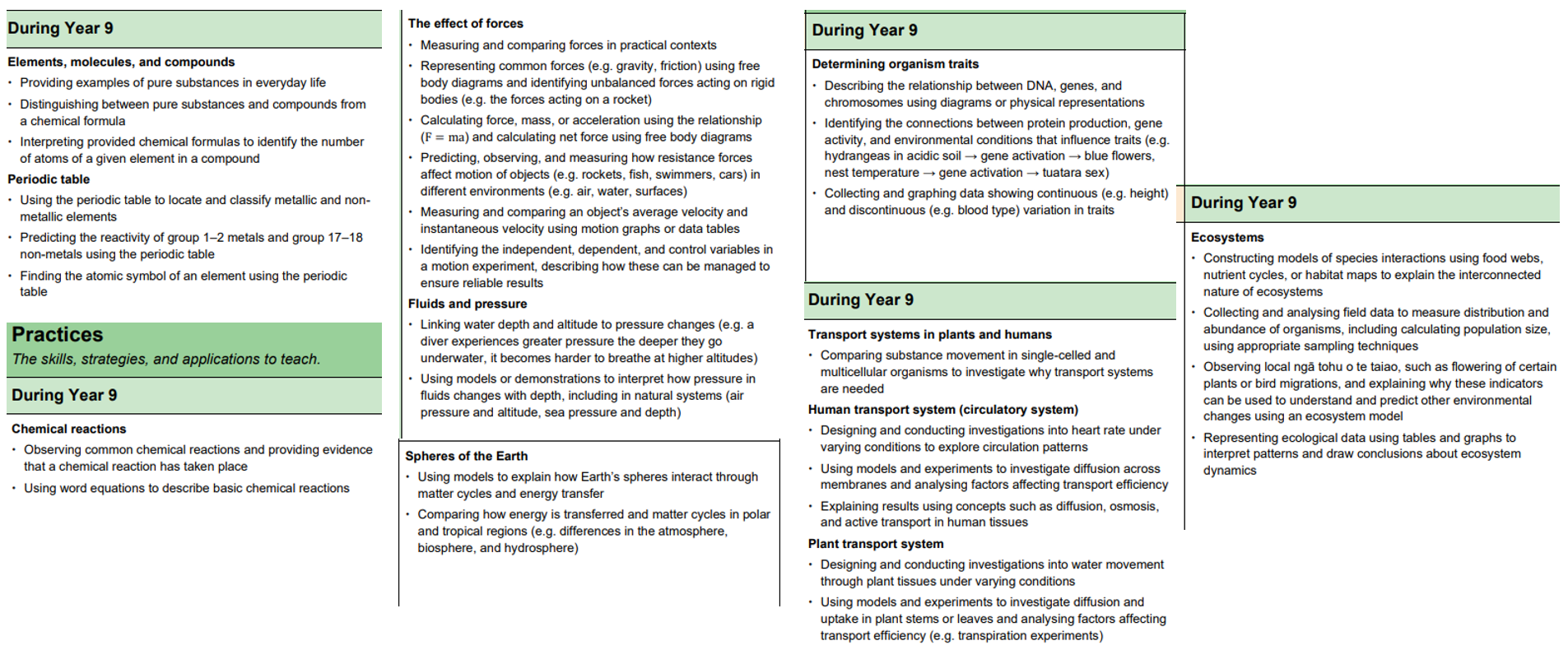
AND – I’m still not confident I can see how all the practices are covered, or how using this teaching sequence I can plan units of work that give sufficient opportunities for learning all the skills. There is some collecting and analysing data, but I can’t (at least by poking around) find where students are taught how to collect data. There is some more modelling, building on earlier years. Investigating is only in bio? Although there are variables in forces…. But to me, many of these read like facts with doing words in front of them. Some of these are much simpler than others, finding metals and non-metals on the periodic table doesn’t really compare to using models or demonstrations to interpret how pressure in fluids changes with depth, including in natural systems (air pressure and altitude, sea pressure and depth)
So, my initial answer to the feedback question is no – I can’t see how the teaching sequence builds proficiency across a phase, because either the content switches so there is no progression across the phase, or the ‘topics’ switch around so I am struggling to see the progression of ideas. One of the stated aims of the curriculum doc was to make it clear what needed to be taught – I can identify soooo many things that would need to be taught to be able to do some of the things in the statement, that are not mentioned anywhere in the doc.
So, in conclusion, ‘conclusions’ are a big part of Science. All the high level science papers have a set format, abstract, intro, method, results, discussion, conclusion….. conclusion is mentioned twice in the draft doc, once in yr 9 and once in yr 10. How can students build proficiency if it is ‘taught’ twice in the teaching sequence? My conclusion is that they can’t.

 ibpossum takes on tech